
The £10 Facebook Marketplace Lesson
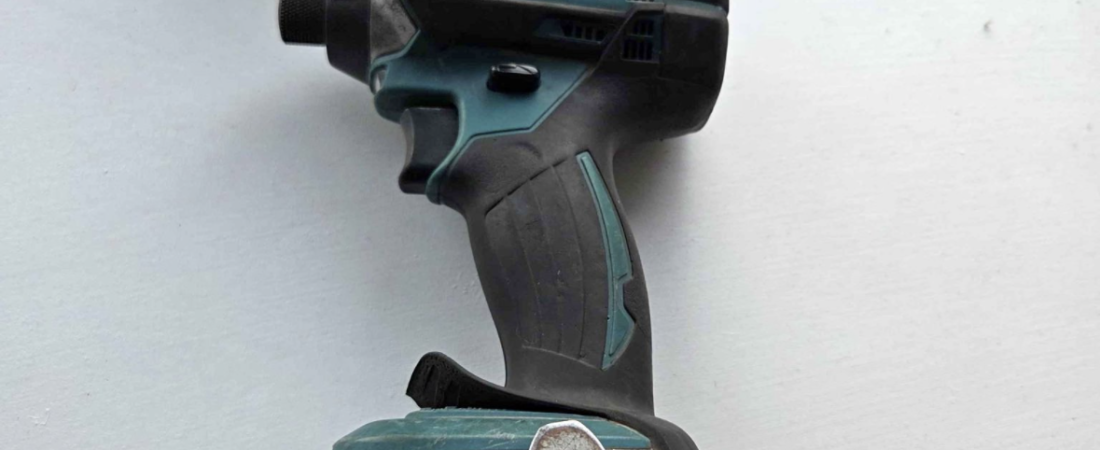
The first tools I bought for FlipForager came from Facebook Marketplace.
At first glance, it looked like exactly the sort of opportunity I was hoping to find.
The seller wanted £10 for a faulty tool. The condition was reasonable, the photos looked promising, and I thought there was a good chance it would be a quick repair and an easy profit.
Like most flips, the plan was simple:
Buy cheap.
Identify the fault.
Replace the faulty part.
Clean it up.
Sell it on.
Unfortunately, the numbers didn’t quite work out that way.
After getting the tool home and carrying out some basic checks, I identified the fault. The good news was that it wasn’t a major mechanical failure. The bad news was that the replacement part cost more than the finished tool was realistically worth.
That’s one of the first lessons I’ve learned while flipping tools:
Just because something can be repaired doesn’t mean it should be.
It’s easy to fall into the trap of becoming emotionally attached to a project. Once you’ve spent time diagnosing a fault, it’s tempting to keep going regardless of the economics.
But a tool-flipping business isn’t about fixing everything.
It’s about making sensible decisions.
In this case, spending more on the repair would have left very little room for profit and potentially resulted in a loss after selling fees and collection costs were considered.
Instead, I decided to hold the tool as inventory.
While it may not make sense to repair today, it could become extremely valuable in the future.
Replacement parts often become available at lower prices. I may find another faulty example that can donate the required component. Alternatively, the tool itself may become useful as a donor for another repair.
What initially looked like a failed flip became something different.
A stock item.
A future opportunity.
A lesson.
One thing I’ve quickly realised is that every purchase doesn’t need to produce an immediate profit.
Sometimes the real value comes from building an inventory of parts, knowledge, and experience that improves future flips.
The tool is still sitting on the shelf today.
Whether it eventually becomes a profitable repair, a donor machine, or simply a reminder of an early lesson remains to be seen.
Either way, it earned its place in the FlipForager story.
Lessons Learned
- Always check replacement part prices before assuming a repair is viable.
- Not every faulty tool should be repaired.
- Stock can be an asset, not just a cost.
- Future donor tools can completely change the economics of a repair.
- Good flipping is as much about saying “no” as it is about fixing things.
Current Status: Held as inventory.
Purchase Price: £10.
Profit: £0 (for now).